



Trust in the power of one-card pulls, a gentle yet profound approach to developing your tarot practice. With each card you draw, you open the door to daily self-reflection and insight, allowing you to connect with your inner voice. This streamlined method fosters consistency in your practice, helping you to navigate life's challenges while honing your intuitive skills. Embrace this simple technique as a pathway to clarity and growth in your daily life.
Key Takeaways:
- One-card pulls focus attention on a single aspect, promoting clarity in self-reflection.
- This practice encourages consistency, making tarot a part of daily routine.
- It simplifies interpretation, reducing the overwhelm often associated with larger spreads.
- One-card pulls can reveal insights across various areas of life, fostering personal growth.
- Incorporate journaling to deepen understanding and track progress over time.
Understanding One-Card Pulls
What is a One-Card Pull?
A one-card pull is exactly what it sounds like: selecting a single card from your tarot deck to gain insight into a specific question or theme for the day. This practice simplifies your tarot reading, allowing you to focus your thoughts and emotions on just one primary message. You shuffle the deck, concentrate on the issue at hand, and draw one card, which serves as a focal point for your reflection and interpretation.
This method not only reduces the overwhelming nature of multiple card spreads but also deepens your connection with intuitive understanding. Each card carries its own symbolism and meanings, making even a single card rich in insights and worthy of exploration. You will find that this straightforward approach brings clarity and can easily fit into your daily routine.
Benefits of Using One-Card Pulls
One-card pulls significantly streamline your tarot experience, providing a quick and accessible way to engage with your intuition and reflect on your day. They are particularly helpful when you're short on time or when a complex spread feels daunting. By focusing on one aspect of your life, you cultivate a more attentive approach to what the universe may be communicating to you.
Additionally, the simplicity of a one-card pull can lead to deeper insights over time. With consistent practice, you begin to recognise patterns in your pulls and how they correlate with your personal experiences. This method enhances your ability to trust your interpretations and strengthens your relationship with the tarot as a tool for self-awareness and mindfulness.
Integrating one-card pulls into your daily routine not only saves time but also encourages consistent self-reflection. You'll develop a habit of checking in with your thoughts and feelings, enabling a deeper understanding of your emotions. As you engage with the symbolism of each card over time, you'll notice how its messages resonate with your current life circumstances, deepening your overall tarot journey.
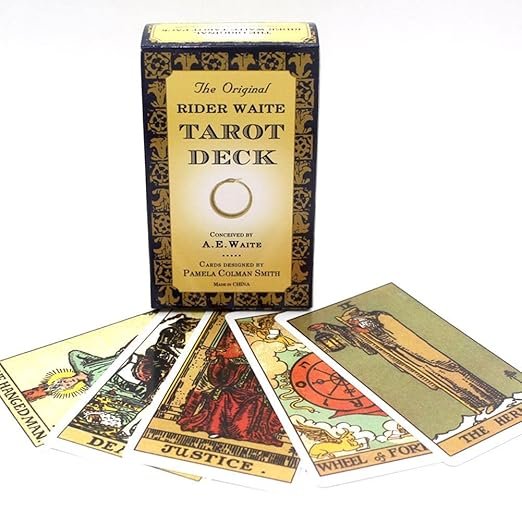
The Original Rider Waite Tarot Deck
$27.68
We only share items we believe genuinely support thoughtful, intentional practice. We may receive a small commission if you purchase via one of our links.
Setting Up Your Tarot Space
Creating a Sacred Environment
To truly embrace the practice of tarot, you need a dedicated space that feels inviting and safe. Begin by selecting a location that resonates with you; this could be a small corner of your room, a tranquil spot in your home, or even outdoors if the weather permits. Incorporating elements such as soft lighting, comfortable seating, and meaningful objects like crystals or candles can transform this area into a sanctuary for reflection. Ensure you keep it tidy and organised, as a clutter-free space helps clear your mind and allows for a deeper connection during your readings.
Consider adding personal touches that inspire you, such as artwork or a small altar. The goal is to create an atmosphere that feels both sacred and inspiring, encouraging you to engage with the tarot daily. Incorporating scents, such as essential oils or incense, can enhance the overall experience by activating the senses and creating a more immersive ritual.
Choosing Your Deck
Your tarot deck will be your faithful companion on this journey, making the selection process vital. When choosing a deck, consider what themes or imagery resonate with you. Some may prefer traditional decks like the Rider-Waite, while others might feel more drawn to modern interpretations such as the Wild Unknown or Tattoo Tarot. Explore different decks to find one that speaks to your intuition and aesthetic preferences. Opt for a deck that feels natural in your hands and evokes a sense of connection, as this will enhance your readings.
Don't shy away from engaging with multiple decks over time. Many tarot enthusiasts enjoy building a collection that reflects various aspects of their personality or life experiences. You might find that certain decks resonate more during specific periods, allowing for a more tailored experience as your practice evolves. Your connection to a particular deck can significantly deepen your self-reflection and interpretation of each card.
Daily Rituals for Pulling a Card
Morning Practices
Starting your day with a one-card pull can set a powerful tone for the hours ahead. As you wake up, take a moment in your quiet space to focus your thoughts. Shuffle your tarot deck with intention, reflecting on what you seek guidance for today. Once you feel ready, draw your card and let your intuition guide your selection. This act serves as a compass, giving you a theme or challenge to explore throughout the day.
Consider journaling about your card right after your pull. Write down the card's name, its imagery, and your immediate feelings towards it. This practice anchors the insights you gain and helps you notice how they manifest throughout the day. Incorporating a morning ritual like this not only nurtures your connection to the cards but also enhances your overall mindfulness as you navigate daily challenges.
Evening Reflections
As the day winds down, another opportunity arises for introspection through your one-card pull. In the evening, set aside a moment to revisit the card you drew in the morning, reflecting on how its message played out throughout your day. This process transforms your tarot practice into a narrative of personal growth and insights, illuminating patterns and revelations that may have gone unnoticed.
Before bed, contemplate what you've learned from the day and how your drawn card resonates with your experiences. Write a brief reflection in your journal, stating how you engaged with the card's energy. This evening ritual cultivates deeper awareness and appreciation, enhancing your relationship with tarot and your understanding of its role in your daily life.
Practising evening reflections helps you encapsulate your experiences, making them more digestible and meaningful. It's the perfect time to celebrate your wins, whether big or small, and to acknowledge any challenges faced. This reflective process not only reinforces your connection to the tarot but also aids in emotional processing, creating a well-rounded approach to self-exploration.
Interpreting Your Cards
Intuition vs. Guidebook
When interpreting your one-card pulls, it's important to strike a balance between your intuition and the descriptions found in your guidebook. Your intuition serves as an inner compass, often revealing insights that resonate with you personally. Rather than relying solely on traditional meanings, pay attention to what feelings or thoughts the card evokes as you reflect on it in the context of your day. If the image sparks a memory or connects you to current events in your life, let those connections take precedence over standard interpretations.
That said, guidebooks serve a valuable purpose, especially when you're new to tarot or struggling with a particular card. They present a wide range of meanings and can highlight aspects you may not have considered. Use them to supplement your intuition, allowing you to expand your understanding while remaining anchored in your personal experiences.
Common Keywords for One-Card Pulls
Familiarising yourself with a set of common keywords for each tarot card can significantly streamline your interpretation process. One-card pulls work best when you can quickly grasp the essence of a card. For instance, the Empress might suggest abundance, creativity, or nurturing, while the Tower could convey chaos or transformation. By internalising these keywords, you create a mental toolkit that helps you connect more deeply with your card each day.
Consider creating your own list of keywords related to your personal experiences or current emotional states. This list can evolve over time, reflecting your personal growth and changing circumstances. Over months of practice, you might find specific words resonate more deeply with your pulled cards, allowing for a richer dialogue between you and your tarot practice.
Building Consistency in Your Practice
Keeping a Tarot Journal
A tarot journal serves as a necessary tool for enhancing your one-card pull practice. As you document your daily insights, the significance of each card becomes clear over time. Jot down your pulls, initial impressions, and any evolving thoughts throughout the day. This consistent writing practice not only reinforces your connection to the cards but also allows for easier reflection on patterns that emerge in your readings.
As your journal fills with entries, you may notice recurring themes or shifts in your emotional responses to specific cards. For instance, if the Five of Cups appears multiple times, consider exploring its relevance in your feelings of loss or grief. These insights deepen your understanding and create a roadmap for personal growth.
Scheduling Regular Pulls
Establishing a set time for your one-card pulls increases the likelihood that you will make the practice a habit. Whether you choose to pull a card every morning with your coffee or during a quiet moment before bed, consistency is key to nurturing your connection with the tarot. This routine doesn't have to be lengthy; even a few minutes can yield powerful insights.
By choosing specific times for your pulls, you'll start to anticipate these moments in your daily life. This level of anticipation can enhance both your reflection and the significance you attribute to each pull. As you grow more comfortable with the routine, you may find yourself looking forward to these reflective moments, making them an integral part of your daily self-care.
Troubleshooting Your Practice
When You Feel Stuck
Experiencing a sense of stagnation in your tarot practice is common and doesn't indicate failure. It's an opportunity for growth. When you pull a card and find it hard to relate to the message, try shifting your perspective. Instead of viewing the card through the lens of your immediate concerns, consider its broader implications in different contexts of your life. Journaling about your feelings regarding the card can also illuminate insights you may have missed in the moment.

Another effective technique is to revisit your intention for the card pull. Ask yourself why you pulled that card today. Reflect on what you were seeking at the time and whether you're still aligned with that intention. This can help you reconnect with your inner voice and facilitate a breakthrough in understanding.
Overcoming Doubts and Fears
Doubts can creep in, especially when your one-card pulls yield unexpected or uncomfortable messages. It's necessary to acknowledge these feelings without letting them dominate your practice. Question whether your doubts stem from external pressures or internal pessimism. By recognising that your intuition might be challenging you for a reason, you can embrace the discomfort as part of your journey rather than a barrier.
Strengthening your confidence means recognising that tarot is a tool for personal growth, not a definitive answer to your questions. If you're feeling apprehensive about what a card might reveal, flip the script: consider what insights could emerge if you were to trust that card fully. Engaging with fellow tarot enthusiasts can also provide reassurance, as shared experiences often help to alleviate the fears surrounding your own pulls.
Summing up
To wrap up, embracing one-card pulls is a simple yet effective way to cultivate a consistent tarot practice for daily self-reflection. By focusing on a single card, you can connect more deeply with its message without feeling overwhelmed. This approach allows you to engage with your intuition and develop a personal understanding of the cards, enhancing your overall experience and insight.
Incorporating one-card pulls into your routine can invite clarity into your day, guiding your thoughts and decisions. Whether it's a morning pause or a reflective evening ritual, this practice encourages you to listen to your inner voice and discover the wisdom within you. As you grow more comfortable with your readings, you'll find that this simple method can significantly enrich your self-discovery journey through tarot.
FAQ
Q: What is a one-card pull in tarot practice?
A: A one-card pull involves drawing a single tarot card to gain insight or reflect on a specific question or situation. This method simplifies the reading process and helps focus on immediate thoughts or feelings.
Q: How can I incorporate one-card pulls into my daily routine?
A: To incorporate one-card pulls into your daily routine, set aside a few minutes each morning to ask a question or seek guidance. Draw a card, reflect on its meaning, and note any thoughts or feelings it evokes to enhance your self-awareness.
Q: What benefits can I expect from using one-card pulls regularly?
A: Regularly using one-card pulls can improve intuitive skills, increase mindfulness, and foster a deeper connection with yourself and the tarot. This practice encourages daily reflection and can help clarify situations or emotional challenges.
Q: How should I interpret the card I pull?
A: Interpreting the card involves considering its imagery, symbolism, and your intuitive response to it. Reflect on how the card relates to your question or current feelings. Trust your instincts and let the card's meaning unfold naturally.
Q: Can one-card pulls be effective for beginners in tarot reading?
A: Yes, one-card pulls are particularly beneficial for beginners. They simplify the learning process by allowing novices to focus on one card's message, easing the intimidation that often accompanies complex spreads and interpretations.